Assessment Without Victims
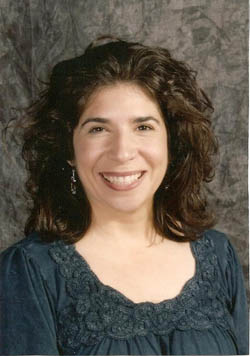
Angela F. Luna
Whitney Elementary
I had the privilege during the 2010-2011 school year to go through the National Board Certification process and collaborate with outstanding teachers from around the Bay Area. I chose to sign on with the National Board support group at Stanford University and met monthly on campus to analyze, reflect and write as we learned about our own craft of teaching and what constitutes the accomplished practitioner. One of the many things I learned from this work is to pay attention to my students in a way that honors their individual needs as a learner. This may sound like I'm stating the obvious, however, after my National Board experience, I know, at least for myself, that I am not.
One way in which my practice reached a new level was through assessment and the work I did with one student for a National Board entry. The case study involved selecting and working with a student from my classroom in the area of supporting literacy through writing development. Because this entry required work with a single student, the opportunity existed to home in on the student's needs on a deeper level than through whole class instruction. This individualized approach offered many things, including the design of developmentally appropriate strategies specific to the selected student with the goal of advancing the student's growth as a writer.
I would like to share with you an idea that I tried with my student. After researching and reviewing different intervention strategies, I came across information related to rubrics. And although I had used rubrics in the past, they were always generated for the entire class of students. I decided to try something new and collaborate with my chosen student and design a writing rubric specific to her needs as a developing writer. This turned out to be one of the single greatest motivating factors in developing her writing skills. First, I used a writing inventory and ascertained the aspects of writing she felt she was strong in and elements of the craft that she felt needed improvement. We discussed these items and narrowed them so we could write the elements of her rubric in very specific terms. For example, she wanted to develop correct usage of capital letters to begin sentences and use lowercase letters appropriately throughout a piece of writing. So, we included these elements in her personalized rubric. And because these elements were tailored to her specific needs, she invested in the improvement of them with heightened awareness. She demonstrated immediate growth in the areas specified on her personal rubric. After working with her for the National Board entry, I then tried the personalized rubric idea with my whole class. Overall, the students showed a tremendous cognizance of the elements of writing they showed strength in as well as elements that needed work.
I think it's critical to be mindful of the different ways in which we can use specialized rubrics to meet the varying needs of all the students we serve. A personalized rubric is one way in which to help our students grow in a given area without victimizing them with "one size fits all" models that are common in our profession. Personalized rubrics are a great way to really "pay attention" to students and honor their individual needs as learners.